In this first post of 2025, I want to set out a theme for the year; “Cities of Things, Cities of Agents; living with agentic things as fellow citizens.”
This theme is a natural evolution from our focus on Things as Citizens, and it intertwines deeply with our ongoing exploration of Cities of Things.
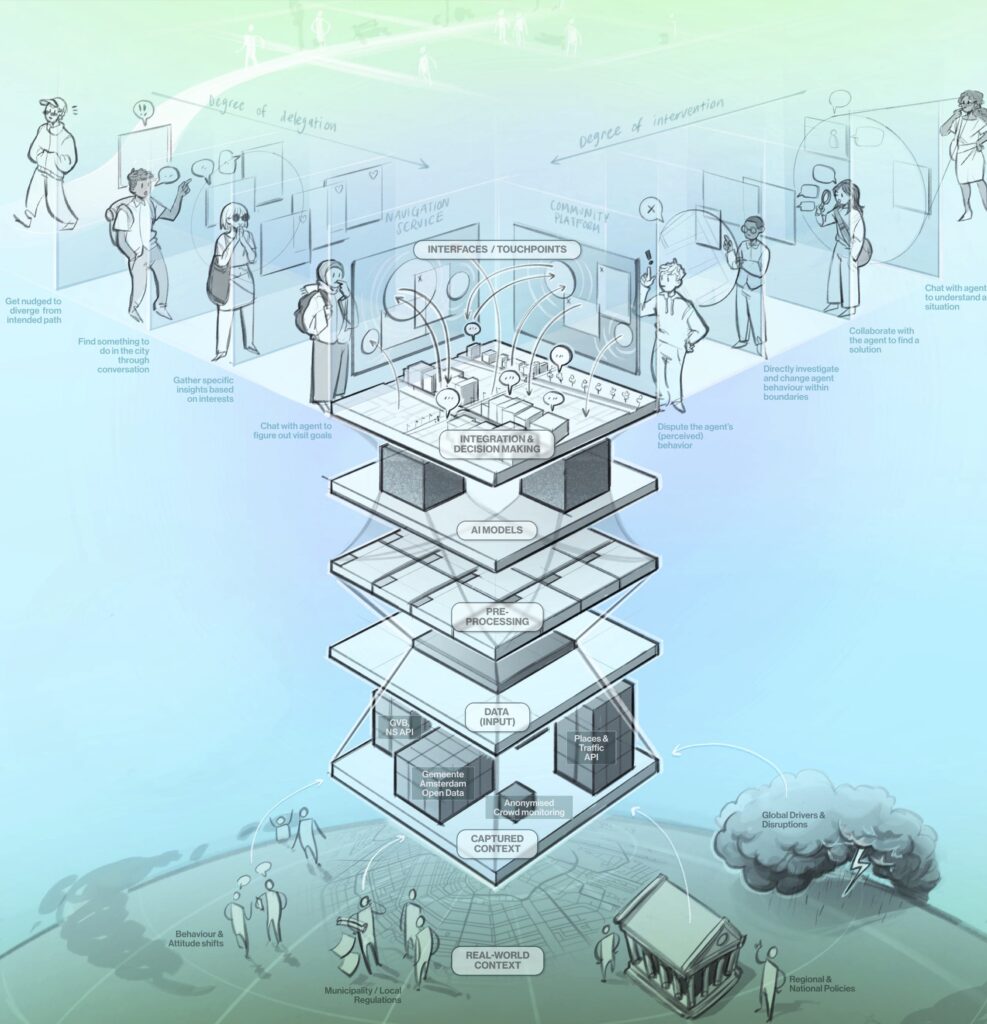
What exactly do we mean by “agentic things”? These are AI-powered objects and systems that possess a degree of autonomy and decision-making capability. They’re not just tools but active participants in our urban environments. It is related to and brings into practice the current discourse on agentic AI and agents that dominate the 2025 predictions for generative AI.
“Things as citizens” has been the guiding concept within Cities of Things from the start. Things with Agency was introduced in the first years of the start of the research program in 2018. These things take a leading role in making decisions, although in collaboration with humans. In line with co-performance principles (Kuijer & Giaccardi, 2018), humans set goals and define the best way to divide the work between humans and AI. After two years of building up relations with generative AI, we can imagine that the AI might even get a role in discussing the goals, as the AI will have more and more initiative from gathered knowledge around the world.
Human-AI partnerships are changing
This is a double-edged sword; we get used to using AI tools as co-workers, as smart interns who can check the first thoughts, but also the entry into a world of knowledge that we never can compile as individuals. At the same time we -luckily- more and more start to value the quality of the output. In the Netherlands, “polarization” was the so-called Word of the Year, but we might easily have “hallucination” as a competitor. We are still finding ways to deal with the new relationships we are building with our AI buddies; can we trust them really? It is the standard routine in starting to use every new tool: defining the trust in output.
The output might still be challenged, the outcome of the collaborations is clearly changing our way of working and thinking. In the spectrum from tool to co-pilot to co-performance we are changing especially the creation of new ideas, of creative writing, and way-finding in the deep forest of information. We are still calibrating these relationships, as a new form is entering with great speed and impact: agentic AI. Are we ready to delegate our tasks to the new agents? Do we have enough agency as humans to steer on the desired outcomes? And overall, will we have enough time to get used to and master this new agentic world?
The impact will be even more substantial when we see the agentic AI become part of the things we use, and when it becomes more of a team of AIs, we need to coordinate and inspire with the right goals. We can expect this to happen on different levels or scales, starting with the tools we use for personal work like writing or searching, to the control of our more and more intelligent home environment, to neighborhood and city level. And our social context will evolve on similar but different levels: from families and team-setting, to our social communities are part of, to politics and geo-politics.
2025 is the year for Cities of Agentic Things
So, in this line of developments, the attention to the role of AI as agents, agentic AI, in the coming years, we would like to express this focus in the theme for 2025: Cities of Things, Cities of Agents; living with agentic things as fellow citizens.
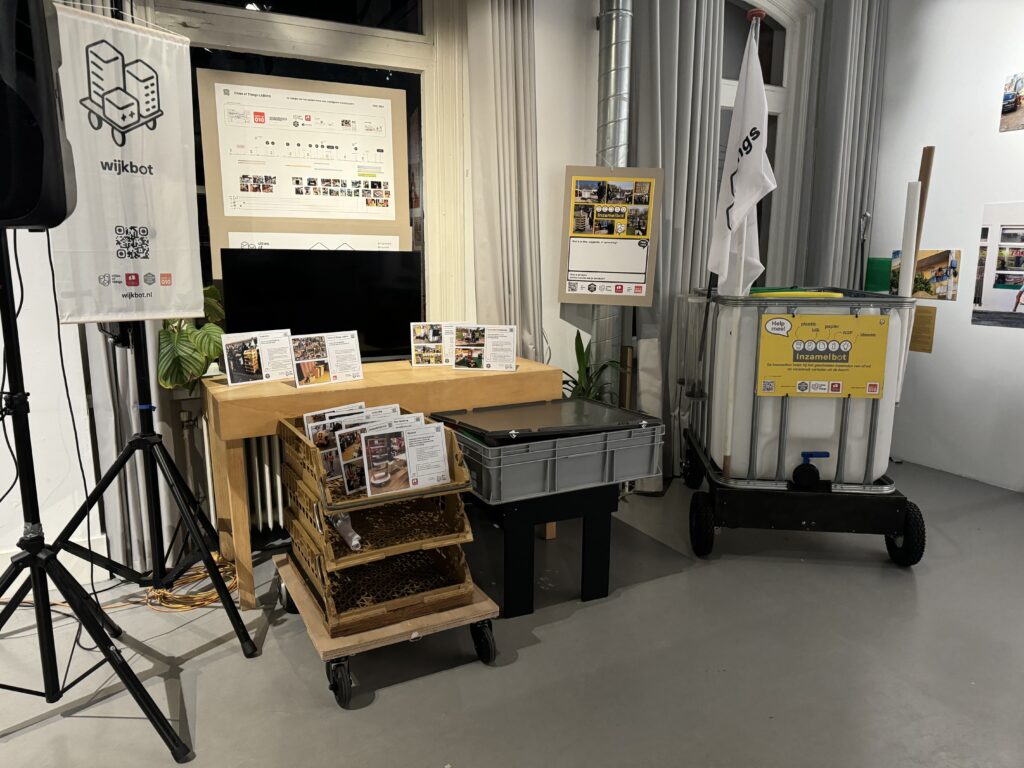
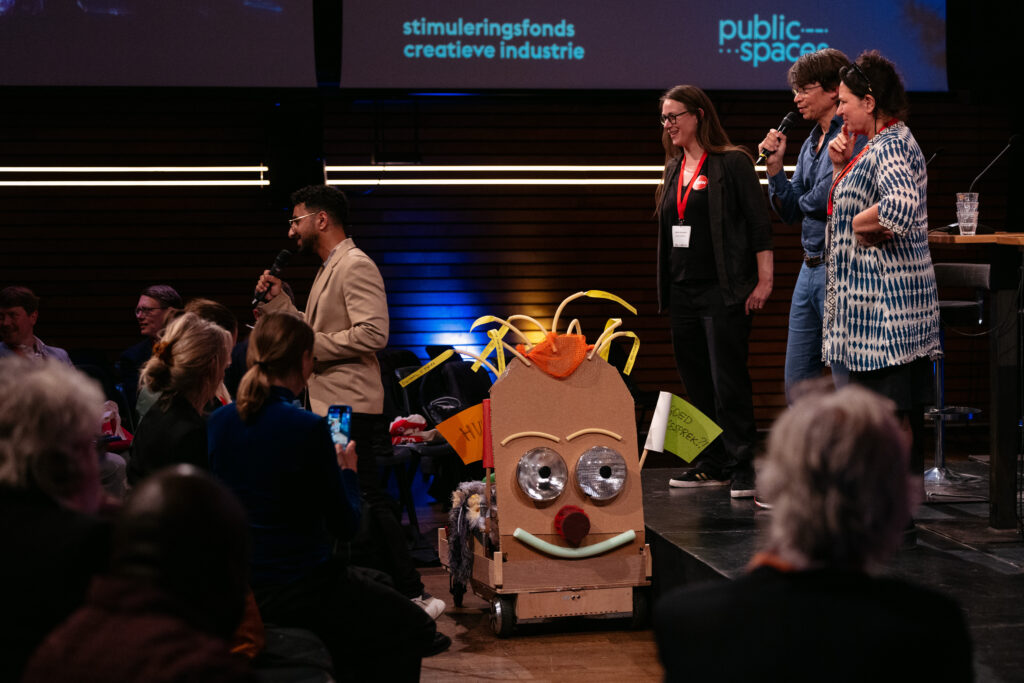
In our core belief, we see the intelligent city as both an opportunity and a challenge in creating just and liveable cities. Next to building knowledge through design fiction and experimental projects, we built a toolkit for expressing the feelings and goals of citizens with the Hoodbot (Wijkbot). Both lines will be infused even more with agentic intelligence.
This is reflected in our activities for 2025. Taking the Wijkbot to a tool for expressing goals with agentic things in your neighborhood, building new knowledge in collaboration with our research and educational partners, and contributing to the exhibition Generative Things to engage with the development of a vision for the future of agentic things in our cities.
Provotyping Generative Things
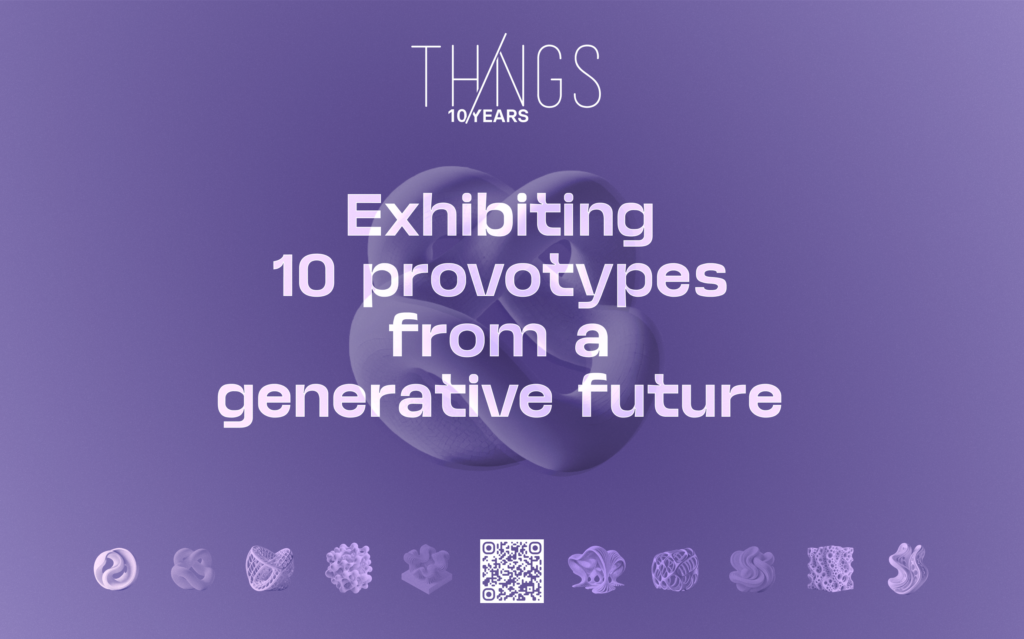
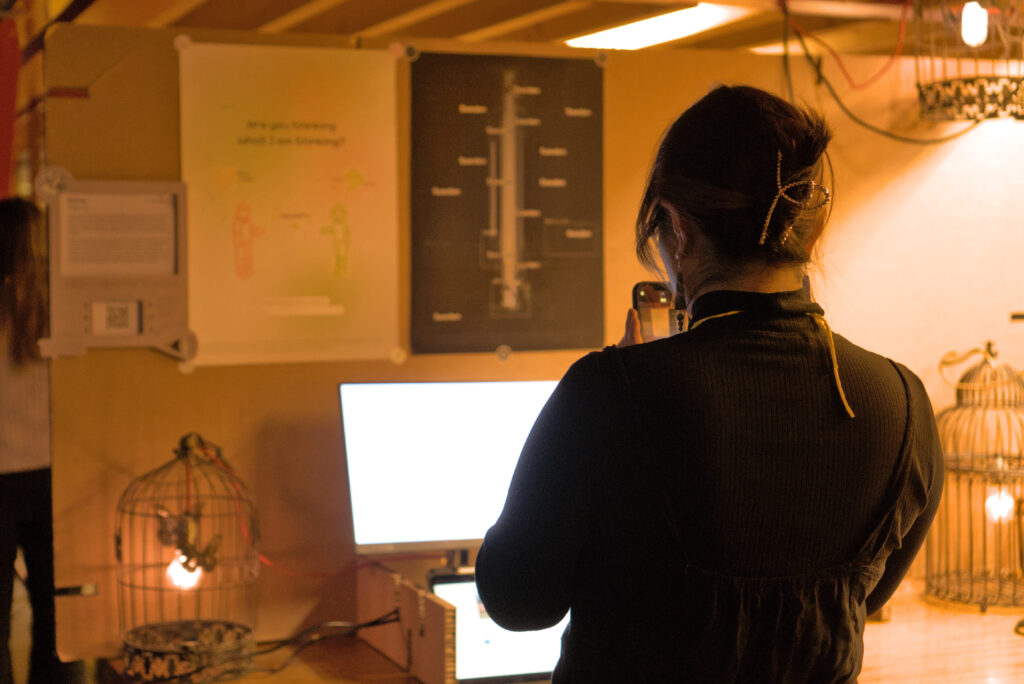
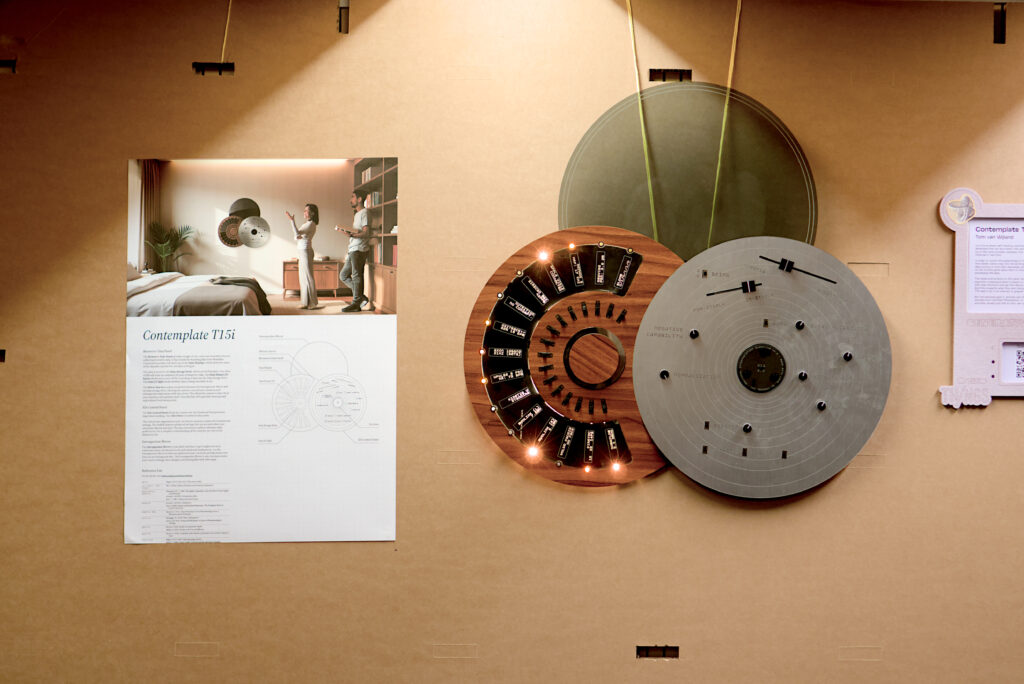
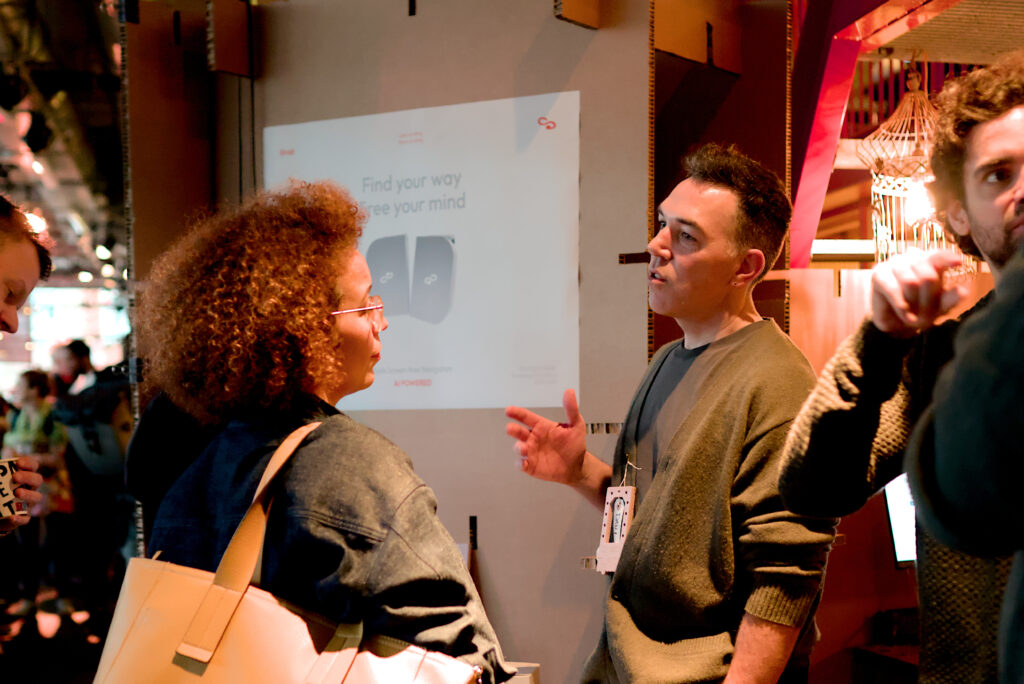
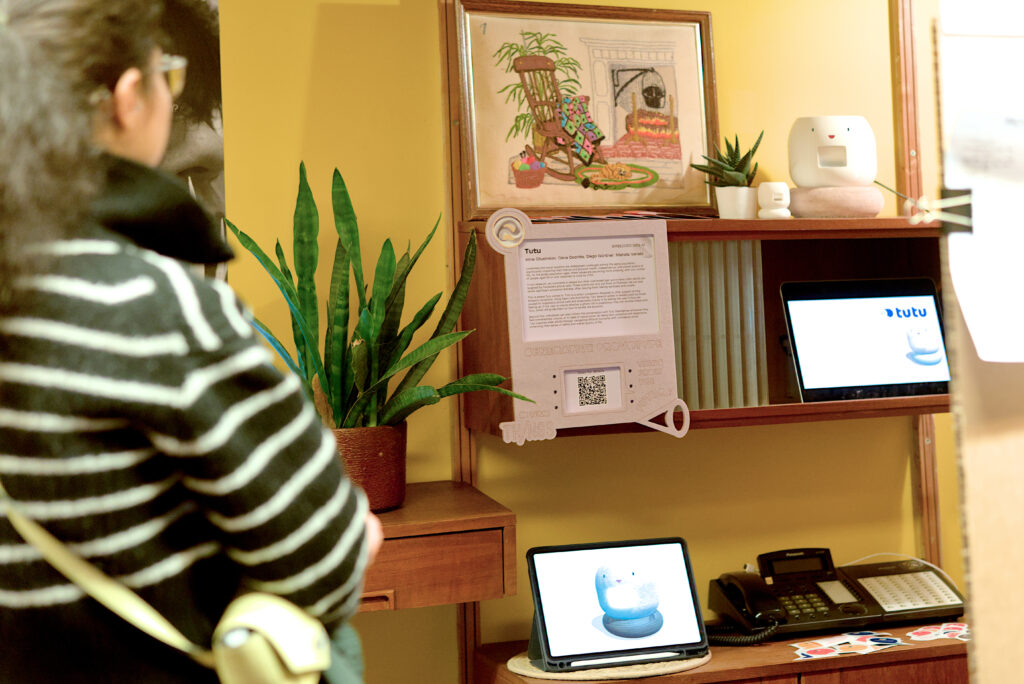
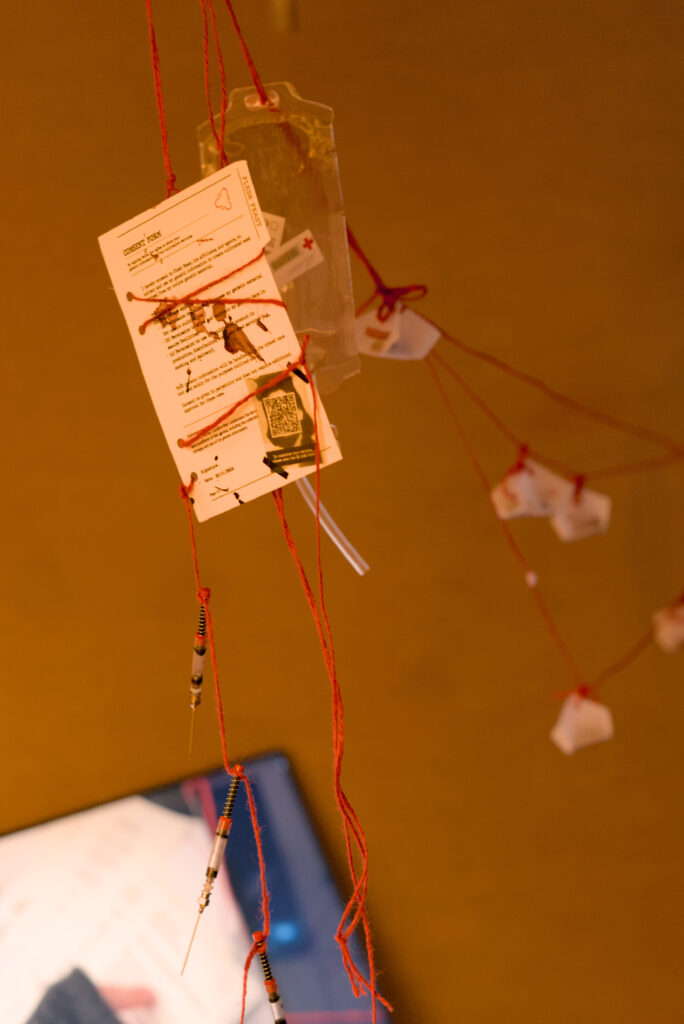
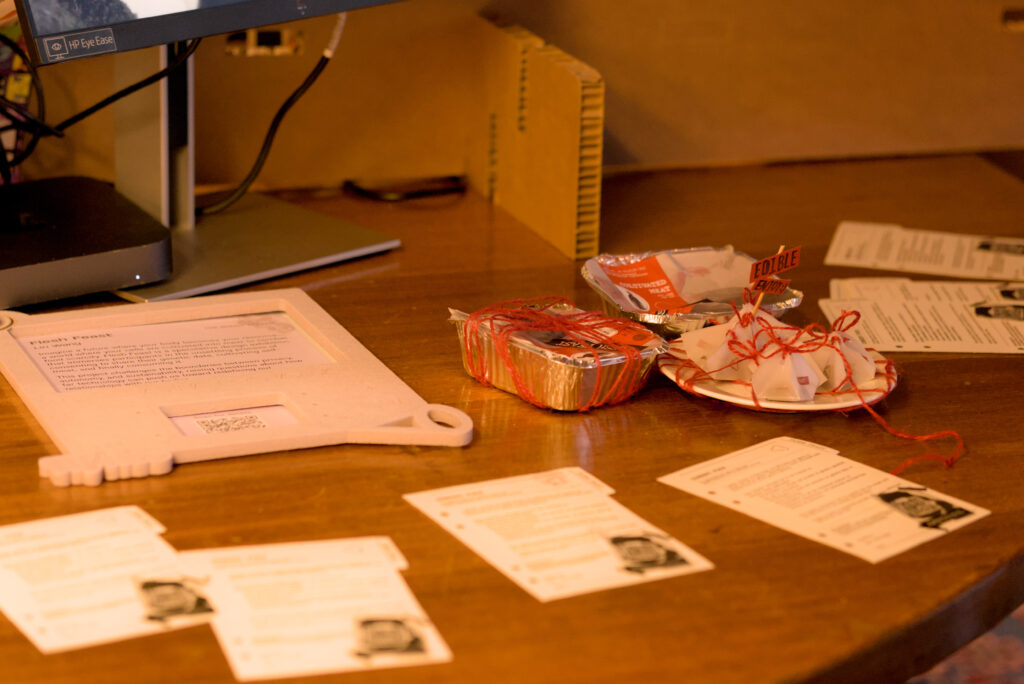
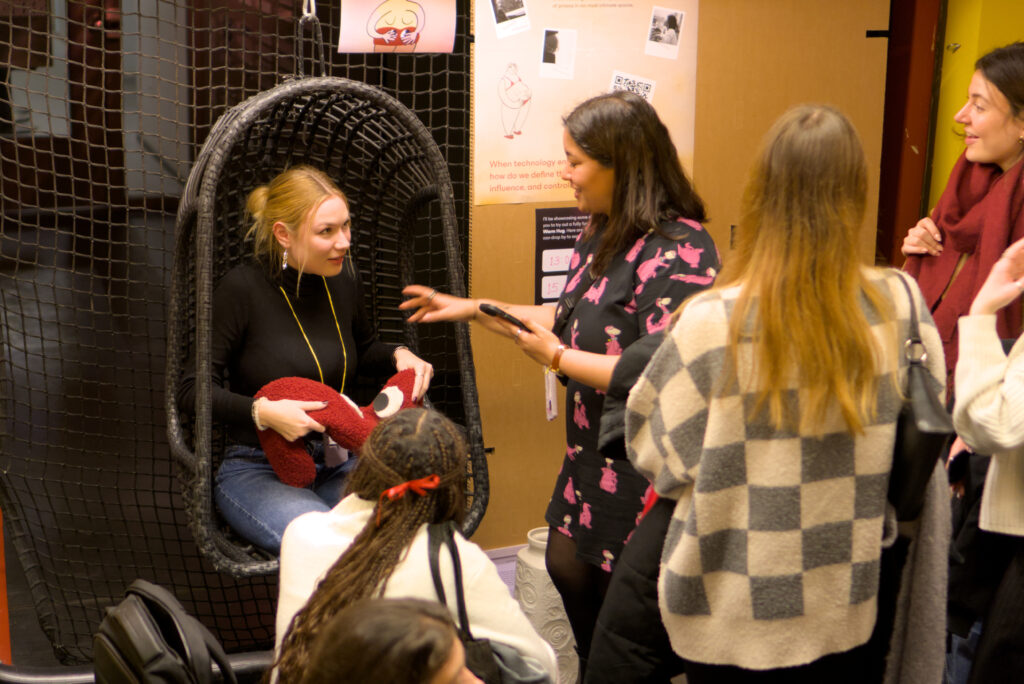
In 2024, Generative Things were introduced as part of the theme for ThingsCon. As soon as I made my first slide deck on the topic for a presentation at CleverFranke, I noticed how entangled the theme was with Cities of Things. Generative Things will still be an inspiration in 2025, and Cities of Things will remain a contributor to the next steps of the exhibition with “provotypes” of Generative Things by ThingsCon that are planned for the first half of 2025 in collaboration with Master Digital Design of Amsterdam University of Applied Sciences and Waag, and part of the Amsterdam 750 Future City program.
The driving questions in that program are very much in line with these of Cities of Things: What hidden systems are beyond AI, and how will they drive/influence generative things? What if AI becomes Sneaky AI as part of the things we use? How will we understand the intentions of these new co-performing generative things? How to design for transparency, understandability, scrutiny, and contestability with things? How much of new things do we accept? How to deal with “e-waste”, what are the new supply chains? Can we create regenerative things?
Wijkbots for agentic things
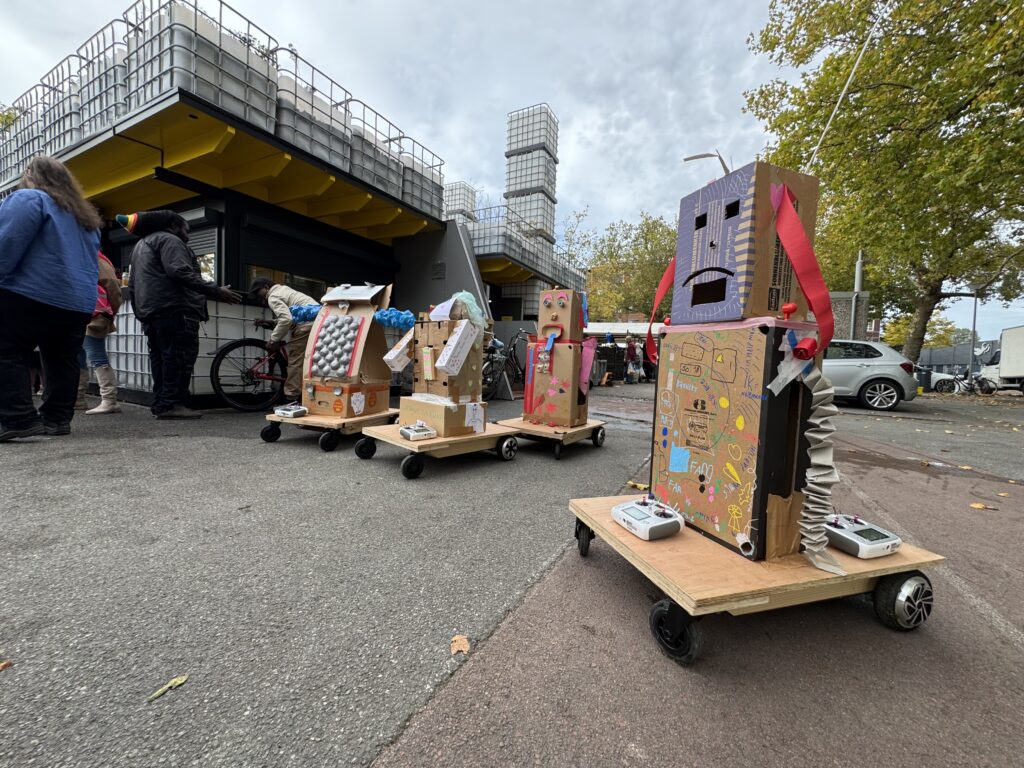
In collaboration with Creating010 and the research on Civic Prototyping by professor Tomasz Jaskiewicz, we have been creating the WijkbotKit as civic prototyping tool, a way to work with citizens to understand the impact of intelligent things in their own (neighbor)hood. The agentic character of these robotic things was always the driving belief, and we took this inspiration both on concrete and more philosophical level in the explorative projects. From Neighborhood Navigators to Rotter-bots, to the social impact in the Afrikaanderwijk.
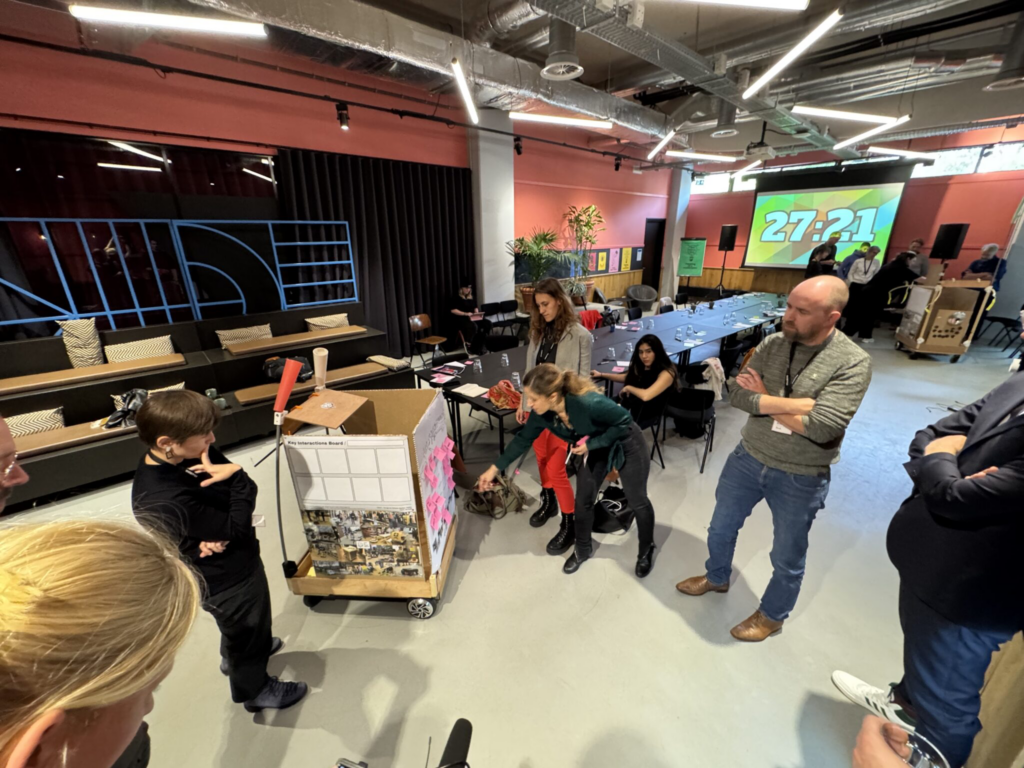
Building upon the knowledge from the first years of experiments, captured in the article “Between experiments; Leveraging Prototypes to Trigger, Articulate, and Share Informal Knowledge”, we have developed an iteration of the Wijkbot workshop format toolkit that brings extra focus on the ecosystemic embedding and inviting participants to formulate their hopes and fears with that lens. The agentic part of these new robotic things as partners will be an integrated part of the WijkbotKit 2.0.
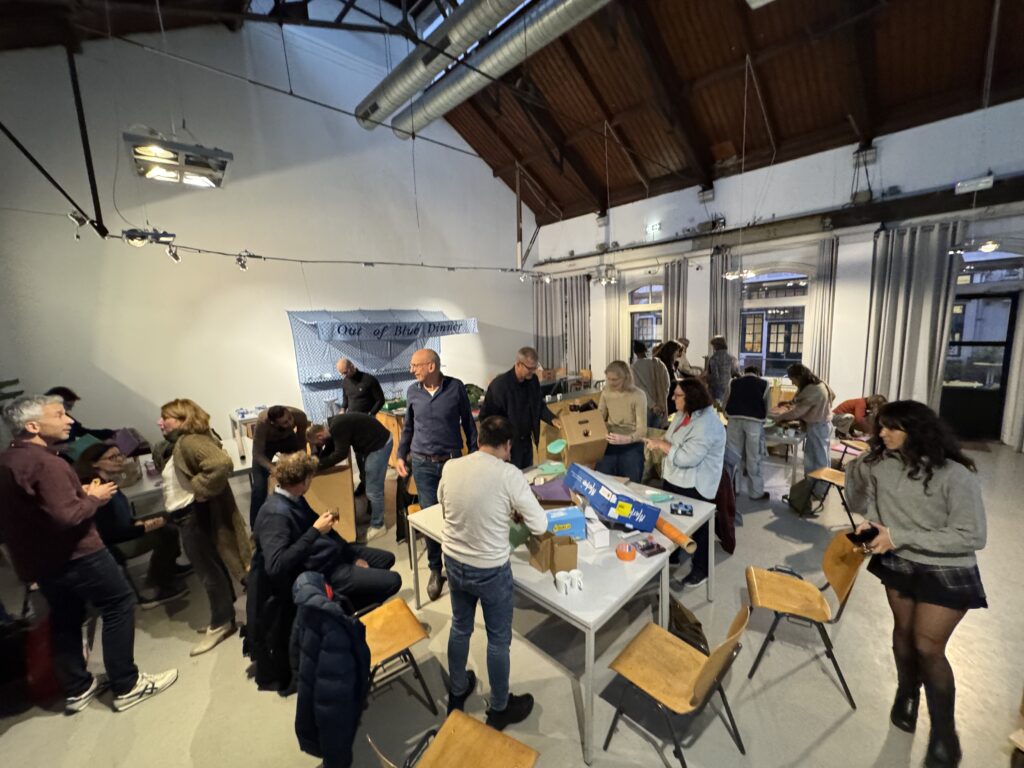
In half of February, we have planned the first workshop with the new kit. We will also explore possible extensions in the kit to experience the agentic character of the things, both in methodology and in tooling.
Bringing it in Practice; towards new design methodologies
With all our collaborations with universities Cities of Things has been a continuous provider of inspirational assignments. This can contribute to the building of new knowledge to dive deeper into a specific element and introduce the role of robotic things to a new generation of designers and makers. We will continue doing so.
We see a role for Cities of Things to explore the emerged practice of designing for cities of agentic things in new design methodologies and programs and combining the methodology developed for the workshops and research through speculative design and civic prototyping.
Invitation to join our journey
We are looking back at a year with serious steps in the development in knowledge and relevance for Cities of Things. Thanks to all the partners, the students who worked on projects, and the workshop participants. We are looking forward to continuing these collaborations. We invite you to join our journey to express hopes and fears for the cities of agentic things in 2025!
We will keep you posted on the activities: the workshop in February, the activities of the exhibition Generative Things, and more to follow!